The small projects with the best payoff are usually fresh paint, new caulk in kitchens and bathrooms, updated cabinet hardware, better lighting, simple storage and shelving, and fixing the little things you see every day, like a sticking door or a dripping faucet. Most are cheap, take a few hours to a weekend, and change how a room looks or works far more than their price suggests.
Payoff here means two things: how much better your daily life gets, and how much better the house looks to a buyer or guest. This is a judgment about effort versus effect, not a measured return on investment: no figure here claims what a project adds to a sale price.
How to judge payoff before you spend
Score any project against four questions:
- Visibility: Will you or a visitor notice it every day?
- Function: Does it fix something that annoys you or wastes time?
- Cost and time: Is it modest in price and doable in one weekend?
- Risk: If it goes wrong, can you fix it without a pro?
Projects that score well on all four are the sweet spot. A project that is high-visibility but high-risk, such as moving a wall or rewiring a room, is often a job for a licensed contractor and not a good beginner choice. And do not forget resale: broad, neutral, clean, and well-maintained usually appeals more than bold personal taste.
Fresh paint on the right surfaces
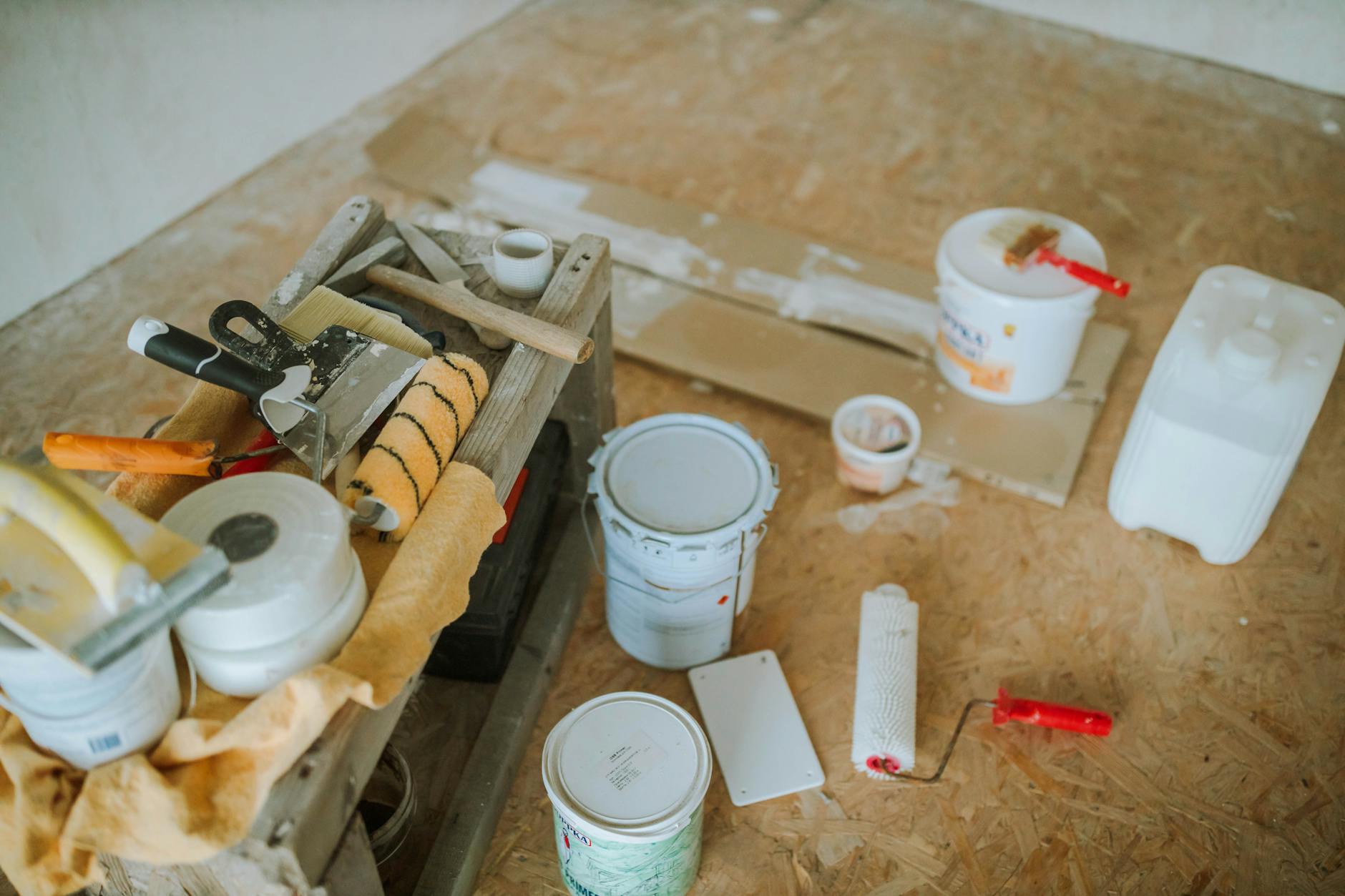
Paint is the classic high-payoff project because it changes the whole look of a room for the cost of a few gallons. A bedroom usually takes 1 to 2 gallons of finish paint, plus primer, tape, and supplies. The prep makes the difference, and how to paint a room so it actually looks good covers the full process.
Good paint targets include:
- A dingy or scuffed main living area
- A front door, which takes little paint and gets noticed immediately
- Trim and baseboards, which make walls look cleaner when freshly painted in semi-gloss white
- A ceiling that has yellowed
In homes built before 1978, the existing paint may contain lead. The EPA advises against dry sanding or scraping it, so confirm with a certified lead inspector or risk assessor before you disturb old paint.
Caulk and grout refresh
Old, cracked, or moldy caulk makes a bathroom or kitchen look neglected and can let water in. Replacing it is cheap, since a tube of caulk costs little, and it takes a few hours per tub or sink area.
- Cut out the old caulk with a caulk-removal tool or utility knife.
- Clean the joint, then let it dry completely, often for several hours or overnight.
- Apply painter’s tape on both sides for a crisp line.
- Run a steady bead of 100 percent silicone or siliconized kitchen-and-bath caulk, then smooth it with a wet finger or tool.
- Pull the tape right away and let the caulk cure for the time on the tube, often 24 hours before getting it wet.
Wear gloves, ventilate the room, and never mix cleaners. Bleach should never be combined with ammonia or acids. If mold covers more than a small patch, or if the wall behind it feels soft, there may be a hidden leak, and you should consult a professional.
Cabinet hardware and small fixture swaps
Replacing knobs and pulls is one of the quickest ways to modernize a kitchen or bathroom. It needs only a screwdriver and a measuring tape, though a full kitchen’s worth of pieces adds up.
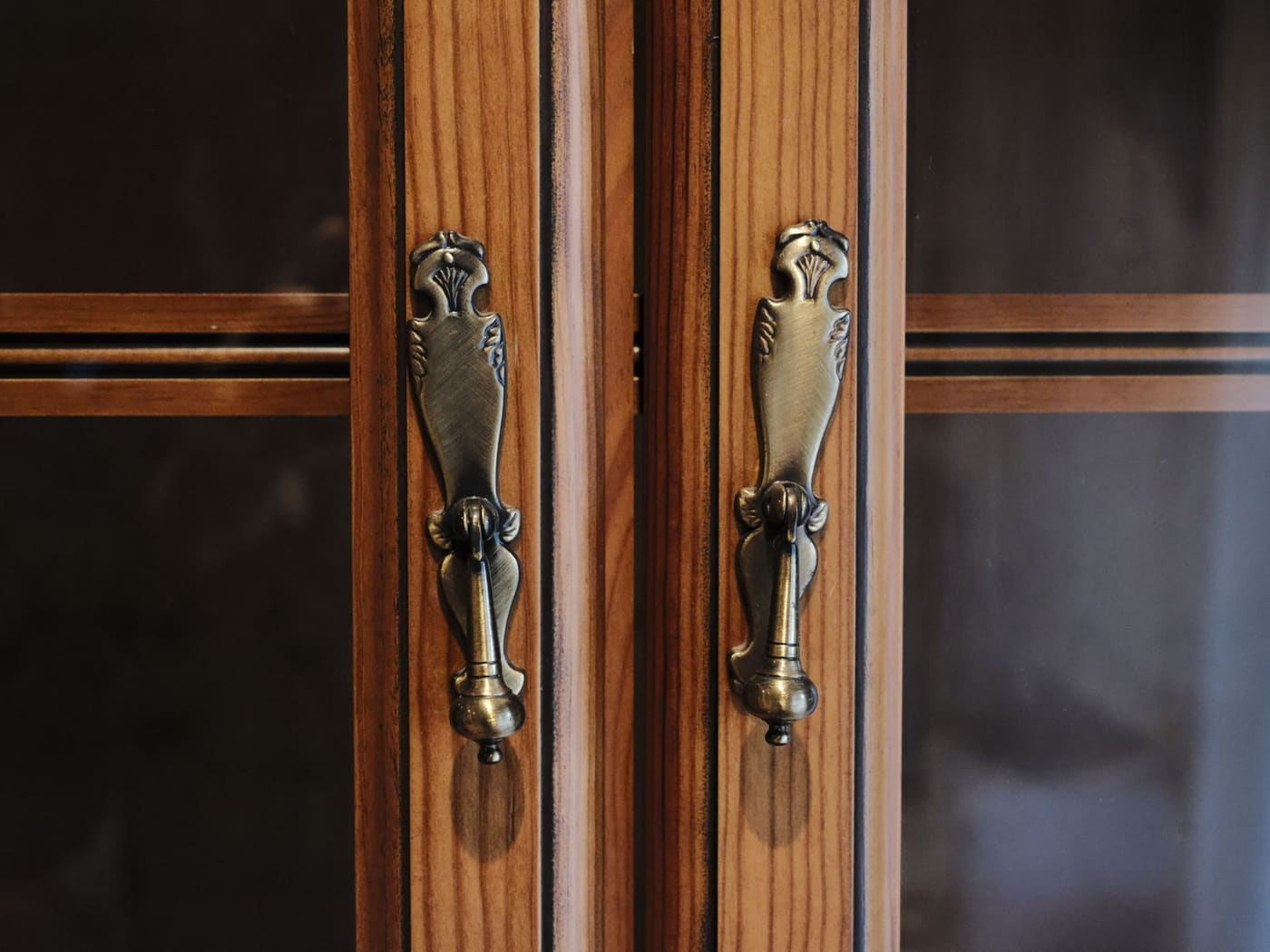
- Measure the distance between existing screw holes, center to center, before you buy pulls. Common sizes include 3 inches and 3.75 inches.
- If you are changing to a different size, you may need to fill and repaint the old holes.
- Test one door before doing them all, so you can check the look and alignment.
Other easy swaps include a new showerhead, toilet seat, faucet aerator, towel bars, and curtain rods. Replacing a faucet itself is a medium-level job that involves shutoff valves and connections, so be prepared to turn off the water and have a bucket and towels ready. Avoid any work on gas lines or on electrical wiring, including hardwired light fixtures, unless you are qualified and licensed to do it.
Lighting that changes how a room feels
Lighting is a high-payoff area, especially in dim rooms. Many homes use one overhead light with a cool-white bulb, which flattens a room.
- Bulbs: Swap to LED bulbs in a warm color temperature (around 2700K) for living areas and a slightly cooler 3000K to 4000K for kitchens and workspaces. Match color temperature across the room, since mixing creates an uneven look.
- Lamps: Adding two or three plug-in lamps at different heights typically warms a room without any wiring.
- Plug-in and battery-powered fixtures: These add task or accent light without wiring.
- Dimmers: Installing a dimmer involves live household wiring, so have a licensed electrician do it unless you are experienced and have confirmed the power is off.
Storage and organization
Clutter shapes how a room feels, and storage is one of the strongest long-term payoffs.

Useful projects include:
- Shelves and wall hooks in entries, closets, and garages. Anchor into studs or use rated anchors for the load.
- Closet organizers: Adjustable rod-and-shelf systems can add a lot of usable space.
- Drawer dividers and shelf risers in kitchens.
- Mudroom or entry bench with hooks, which can be a store-bought unit.
For heavy items, locate studs with a stud finder and use screws long enough to reach them. Tall furniture such as bookcases and dressers should be anchored to the wall. The Consumer Product Safety Commission’s Anchor It campaign recommends anti-tip devices for dressers, bookcases and TVs because tip-overs seriously injure and kill children, most often those aged one to three.
Fix the nagging small stuff
Many of the best-feeling improvements are repairs: a sticking door, squeaky hinges, a running toilet, a dripping faucet, a loose handrail, a cracked outlet cover, a missing screen. Each one takes a short time and removes a daily irritation.
- Running toilet: Often a worn flapper, a part that is cheap and replaced in minutes after you shut off the supply valve.
- Squeaky hinge: A drop of lubricant or a tightened screw.
- Sticking door: Tighten hinge screws first, and if it still rubs, mark and sand the sticking edge lightly.
- Wall dings: Spackle and sand, then touch up paint.
A running toilet or leaking faucet can waste a lot of water, so fixing it often pays back in the next water bill. If a repair involves a leak you cannot find, repeated tripped breakers, or a loose handrail on stairs you cannot secure, call a pro.
Curb appeal that is cheap
The first view of the home influences everyone who arrives. Low-cost projects include:
- Power washing or hand-scrubbing a dirty walkway or siding, taking care with pressure, since too much can damage wood and force water behind siding
- Painting or replacing the front door and house numbers
- Fresh mulch in garden beds
- Trimming shrubs, cleaning gutters from a stable ladder, and replacing a worn welcome mat
Gutter cleaning and any roof or tall work carry fall risk. Keep three points of contact, do not use the top step or top cap, and hire the work out if you are uncomfortable on a ladder.
Compare projects at a glance
| Project | Relative cost | Time | Skill | Payoff |
|---|---|---|---|---|
| Interior paint, one room | Moderate | 1 weekend | Beginner | High |
| Re-caulk tub or sink | Low | A few hours | Beginner | High |
| Cabinet hardware swap | Low to moderate | A few hours | Beginner | High |
| Better bulbs and lamps | Low to moderate | 1 hour | Beginner | High |
| Closet organizer | Low to moderate | A few hours | Beginner | Medium to high |
| Front door repaint | Low | 1 day | Beginner | Medium to high |
| Faucet replacement | Moderate | A few hours | Intermediate | Medium |
The ratings are judgments, not measurements, and they shift with your home and skill. Rental tenants can choose the reversible options, as shown in renter-friendly DIY upgrades.
Avoid complexity creep
A small project stops being high-value when it quietly turns into a multi-week unfinished mess. A kitchen backsplash can become a counter replacement, and a bathroom refresh can reveal rotten subfloor. Set a limit, write down the steps, and stop if you find water damage, mold, or other hidden problems. Use the approach in planning a DIY project before you start to keep scope tight, and hire a licensed professional for electrical, gas, structural, and permit-required work. Local codes vary, so check before you begin.
Where this comes from
The tip-over point is based on the Consumer Product Safety Commission’s Anchor It guidance, the lead point on the EPA’s lead-based paint guidance, and the ladder point on OSHA’s ladder safety guidance. The project ranking is a judgment call, not research into resale value, and the steps follow common practice and product labels. Prices, curing times and local permit rules change, so check the label, the store and your local building department.