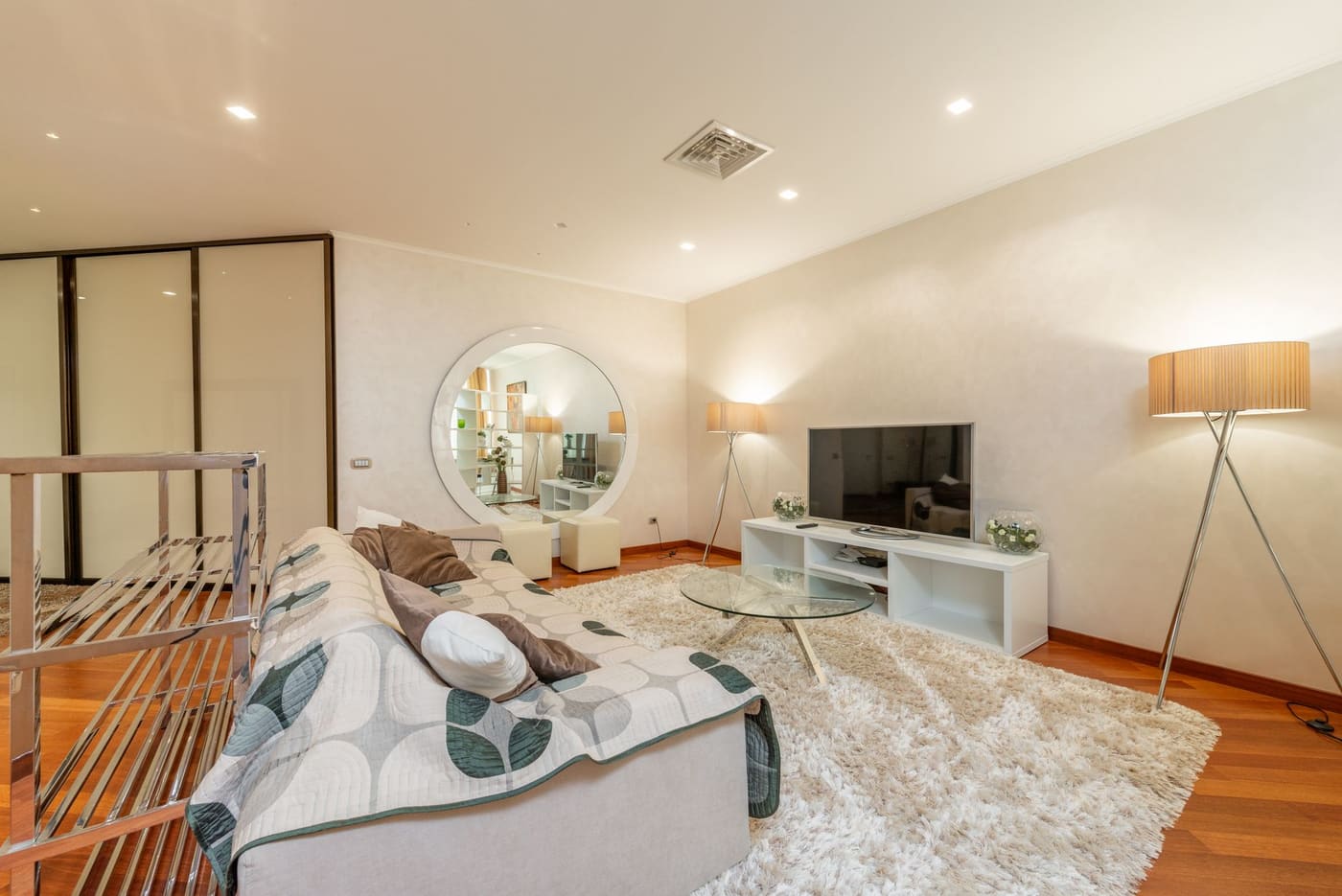
The best rental upgrades are ones you can fully reverse in an afternoon: better lighting from plug-in or lamp-based sources, removable hooks and shelving, rugs and textiles, swapped-and-stored hardware, temporary window and door treatments, and tidy storage. They improve how the place feels every day, and you can undo them before move-out so the unit returns to its original condition.
The risk to your deposit comes from permanent or hard-to-fix changes, such as paint without permission, large wall holes, or adhesive that pulls off paint.
Read the lease and get permission in writing
Before touching anything, read your lease for clauses on alterations, painting, nails, and fixtures. Many leases allow small nail holes, since landlords routinely patch them, while others ban them. Rules on deposit deductions vary by state and city, so check your local tenant rules for what counts as normal wear versus damage.
For anything beyond removable items, ask your landlord and get the answer in writing, even a short email. A useful request names exactly what you want to do, the products, and your plan to restore it. For example: “May I paint the bedroom a light gray, and repaint it white when I move out?” Many landlords agree, especially when the result looks better than a worn wall. Take dated photos of every room at move-in and again after your projects. That record helps if there is a dispute about the deposit.
Lighting does the most for the least money
Lighting is the highest-payoff change in most rentals because the default fixtures are often harsh, dim, or mismatched.
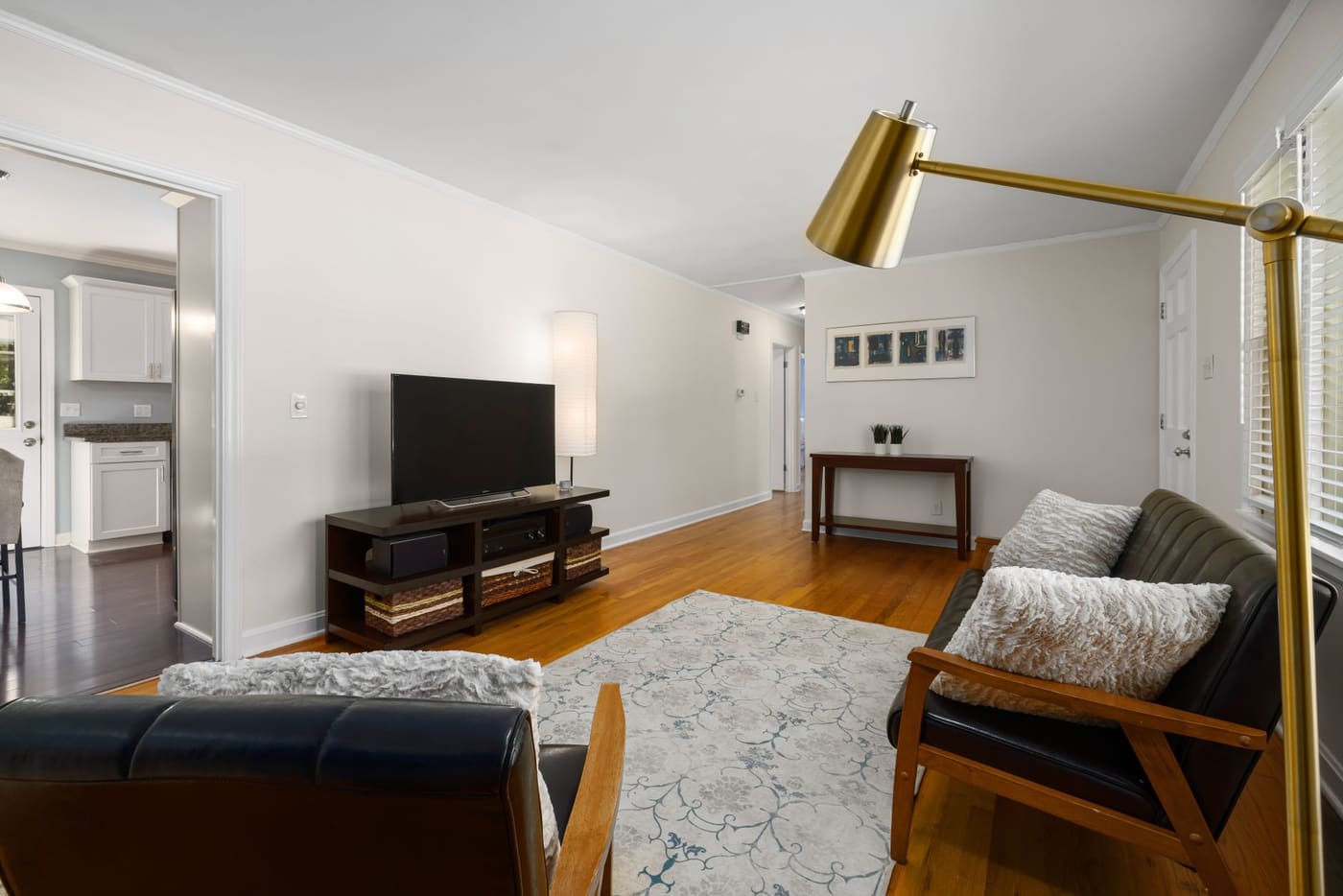
- Lamps. Floor and table lamps with warm bulbs in the 2700K to 3000K range make a room feel softer than a single overhead light. Aim for a few light sources at different heights.
- Plug-in wall sconces. These hang from a hook and plug into an outlet, with no wiring. A cord cover can run along the wall.
- LED strip lights. Under-cabinet or behind-the-TV strips with adhesive backs can look good, though adhesive can pull paint, so test a hidden spot first and remove slowly with gentle heat from a hair dryer.
- Bulb swaps. Replacing a bulb with a different color temperature or a dimmable LED is simple. Keep the original bulbs.
Do not replace hardwired fixtures unless your lease and landlord allow it and a licensed electrician does the work. Swapping a fixture involves live household wiring, and the risk of shock or fire is real. If your landlord approves a fixture change, ask them to arrange it or hire a licensed electrician, and store the original fixture to reinstall at move-out.
Hang things without wrecking the walls
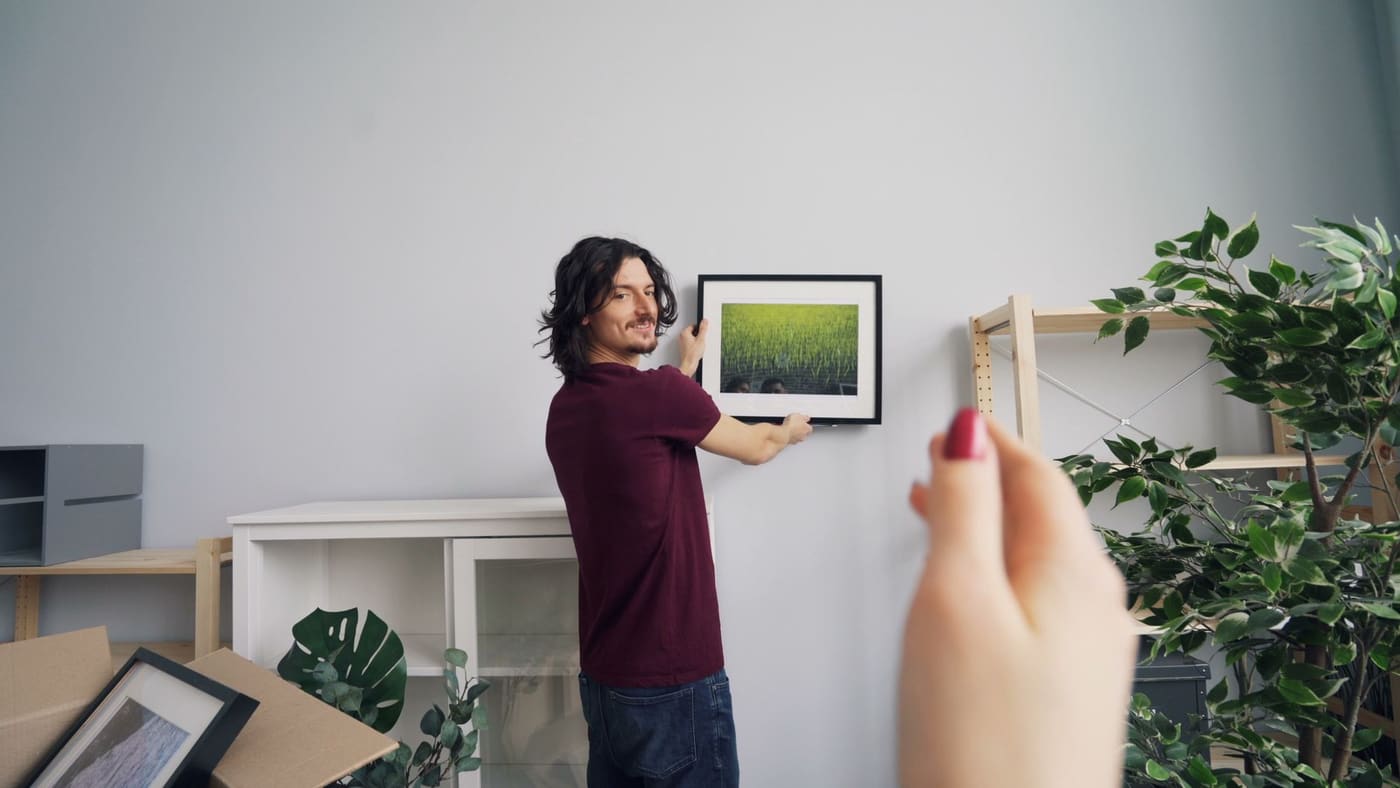
You can hang most things on rental walls with little or no damage if you choose the right method for the weight.
| Method | Typical use | Notes |
|---|---|---|
| Removable adhesive strips | Light frames, small decor | Follow the weight rating on the package, press for the stated time, remove by pulling the tab slowly parallel to the wall |
| Removable hooks | Keys, towels, light bags | Clean the surface first, avoid textured or damp walls |
| Over-the-door hooks and racks | Coats, towels, bags | No wall contact at all |
| Tension rods | Curtains, shower shelves, closet dividers | Fit inside a window frame or alcove |
| Small nails or pins | Frames and mirrors | Allowed in many leases, patch with spackle at move-out |
| Leaning furniture and ladder shelves | Display and storage | Anchor tall pieces to the wall if the lease allows, to prevent tipping |
For heavy items such as large mirrors or full bookcases, anti-tip anchoring matters. The Consumer Product Safety Commission’s Anchor It campaign reports that most people killed in furniture and TV tip-overs are young children, and recommends securing dressers, bookcases and TVs to the wall with anti-tip devices. Ask your landlord about an anchor hole, since the hole is small and easy to patch. If you cannot make one, choose shorter, lower furniture instead of leaving a tall unit freestanding in a home with kids, and keep heavier items on the lower shelves.
Change the feel with textiles and surfaces
Soft materials do a lot of work and cost little.
- Rugs. A large rug, often 5 by 8 or 8 by 10 feet, covers worn flooring and absorbs sound. Use a non-slip pad, and check that any rubber backing will not stain vinyl or finished wood.
- Curtains. Hanging curtains high and wide makes ceilings seem taller. A tension rod avoids drilling.
- Bedding and throws. Swapping these can change a room faster than paint.
- Furniture covers and slip covers. A good option when a landlord’s furnished unit has outdated pieces.
Peel-and-stick materials are popular for rentals, but they are not risk-free. Peel-and-stick wallpaper and tile can pull off paint or leave residue, especially on flat or older paint, textured walls, and walls painted recently. Test a small hidden area, leave it for a week, then peel it to see what happens. Use removable versions only, and ask for permission when you can. Peel-and-stick floor tile can leave adhesive residue and damage some floors, so use it only on floors the landlord has okayed.
Upgrade the bathroom and kitchen the removable way
Wet rooms are where small upgrades show up fast.
- Showerhead. Swapping a showerhead takes about 10 minutes with a wrench and plumber’s tape. Keep the original and reinstall it at move-out. Check the lease first, since some landlords treat fixtures as theirs.
- Cabinet and drawer hardware. Replace pulls and knobs, and store the originals in a labeled bag. If the new screw holes do not match, choose pulls that cover the old holes.
- Toilet seat. A new seat is a quick, inexpensive improvement that reverses easily.
- Shower curtain, bath mat, and towel hooks. Use over-door hooks or removable adhesive ones.
- Faucet aerator. A cheap fix for weak flow or splashing.
- Kitchen organization. Shelf risers, drawer dividers, and removable shelf liners add storage without changing anything.
Skip any job that involves cutting into plumbing, replacing a faucet with shutoff-valve changes, or moving a toilet unless the landlord approves and a licensed plumber does it. Leaks can cause costly damage that lands on your bill. Do not use chemical drain or tile cleaners together, and never mix bleach with ammonia or acids. Ventilate while you clean and wear gloves.
Paint only with permission, and do it well
Paint is the biggest visual change you can make, but it is the one most likely to cause a deposit dispute. If your landlord says yes, ask for the specific paint color to be used or approved, and agree whether you will repaint at move-out.
A good job takes more time than people expect, so see how to paint a room so it looks good before you start. In a building from before 1978, the paint may contain lead. The EPA says renovation work in pre-1978 housing calls for lead hazard information to be shared with owners and residents, and that paid renovators must be lead-safe certified, so ask your landlord what they know about the paint. Do not dry-sand or scrape paint that might contain lead. If you are not allowed to repaint, consider adding a large piece of art, a tapestry on a tension rod, or a freestanding folding screen to break up a plain wall.
Know what to leave alone
Some changes are red flags for a rental, whatever your skills:
- Moving or adding electrical outlets, switches, or circuits
- Changing plumbing, gas appliances, or heating systems
- Drilling into tile, countertops, or load-bearing structure
- Removing or adding walls, doors, or built-ins
- Replacing flooring or cabinets without approval
- Installing window air conditioners in a way that damages frames or violates building rules
- Anything that blocks exits, smoke alarms, or carbon monoxide detectors
If something is broken, such as a leaking faucet, a flickering light, or a failing outlet, report it to your landlord in writing. Repairs for safety and habitability issues are generally the landlord’s responsibility, although rules vary by location.
Keep a restore kit and a move-out plan
Store the originals of anything you swap in a labeled box: bulbs, showerheads, cabinet knobs, curtain rods. Keep a small restore kit with spackle, a putty knife, a small can of matching paint if the landlord provided it, and a few extra adhesive strips. A week before you move out, reinstall originals, patch nail holes, wipe walls and baseboards, and take final dated photos.
For a way to choose among upgrades by effect and effort, small home projects that give the best payoff offers a good filter, and starting DIY without getting in over your head is useful if you are new to home projects.
Where this comes from
The tip-over point is based on the Consumer Product Safety Commission’s Anchor It guidance, and the lead point on the EPA’s lead-based paint and renovation guidance. The upgrade ideas, product tips and move-out routine are common practice, not tested advice. Lease terms and deposit rules differ by state, city and landlord, and product ratings and prices change, so read your lease and local tenant rules and follow the package instructions.